Clear blue water under rock ceilings feels strange the first time. Quiet too. No boat noise. No waves. Just little ripples and light moving through the cave. That moment alone is why people keep searching for Cavern Diving Tulum before they even book flights to Mexico.
Then the prices pop up online. One site says $140. Another says $250. Somebody on Reddit claims they paid less. Somebody else says they spent way more after gear rental and park fees got added later. Bit confusing honestly.
The real answer sits somewhere in the middle. This blog breaks down the real diving cenotes Tulum price, what changes the cost, what usually comes with the tour, and where travelers often spend more than expected.
Average Cost of Cavern Diving in Tulum
Most cavern diving tours in Tulum cost between $140 and $240 USD for two dives. That range covers most normal tours around Riviera Maya.
Price changes happen because of:
Group size
Equipment rental
Cenote location
Some cenotes sit farther from town. Transportation costs more. Some dives need extra lights or guides. Private dives cost more too because the guide stays focused on one group only.
A cheaper tour is not always bad. Still, really low diving cenotes tulum price can mean rushed trips or old equipment. Happens more often than dive shops admit.
Why Cavern Diving Costs More Than Reef Diving
Ocean diving is simpler to organize. Cavern diving needs tighter safety rules. Divers swim under rock ceilings inside freshwater cave systems. Direct access to the surface is limited, which means guides must follow stricter procedures. Smaller groups matter more too.
Many cenotes are protected natural sites. Operators pay entrance and conservation fees every day. That cost gets added into the tour price little by little.
That is why cavern diving in Tulum usually costs more than a basic reef dive in Cancun or Cozumel.
What Is Usually Included?
This part trips people up a lot. Some dive shops advertise a low number first. Then transportation, gear rental, or cenote entry gets added later during checkout. Suddenly the “cheap” tour is not cheap anymore.
Most solid dive packages normally include tanks, weights, guides, and cenote entrance fees. Transportation from Tulum is often included, though not always.
Full scuba gear may cost extra. Underwater photos usually cost extra too. Nitrox fills can bump the price higher as well. Reading the details matters. Kind of boring, yes. Still important.
Cheap Tours vs Better Dive Experiences
Budget tours exist everywhere around Riviera Maya. Some are completely fine. Others feel rushed from the second the van door closes.
Big groups move fast underwater. Safety briefings get shorter. Divers spend less time exploring the cenote itself.
Higher-end operators often focus more on:
Smaller dive groups
Better gear maintenance
Longer safety briefings
That difference changes the mood underwater more than people expect.
One diver online described their cheaper tour as “beautiful but stressful.” Another said paying slightly more gave them extra dive time and a calmer guide who explained every section before entering the water.
Tiny details matter down there. Freshwater caves can feel peaceful one minute and overwhelming the next if the guide rushes things.
Best Time to Get Lower Prices
Winter brings the biggest crowds to Tulum. December through April stay busy almost nonstop. Prices rise during holidays and spring break weeks because demand shoots up fast.
Better deals usually appear between May and November. Rain scares some tourists away, but cenotes stay clear most of the year since the water comes from underground river systems.
Weekday tours can sometimes cost less too. Funny enough, cloudy days often make cenotes look even better in photos. The light gets softer underground. Weird little bonus nobody talks about much.
Hidden Costs Travelers Forget
Most people budget for the dive itself and forget everything around it.
Extra expenses can include:
Full scuba gear rental
Hotel pickup outside central Tulum
Tips and underwater photos
Food near cenote parks costs more than expected too. Small things pile up fast. Water bottles, lockers, snacks, dry bags. Nothing huge alone. Together though? Different story.
Keeping extra money in the budget helps avoid stress later.
Is Cavern Diving in Tulum Worth It?
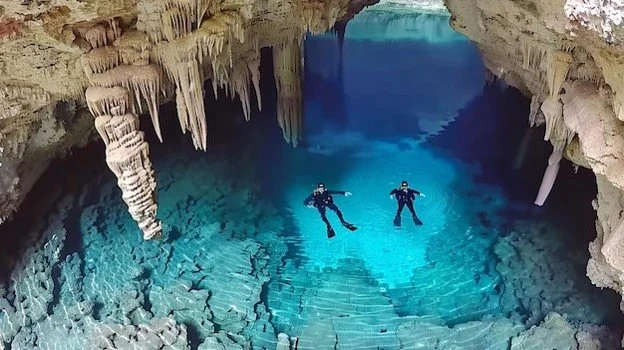
For many divers, yes. Easily. The Yucatán Peninsula holds one of the largest underwater cave systems on Earth. Visibility inside some cenotes stretches past 100 feet. Sunlight cuts through the water in bright blue beams that almost look fake at first like somebody edited real life a little too hard. Reef diving feels colorful and alive. That feeling sticks with people long after the trip ends.
How Cavern Diving Differs from Full Cave Diving
There are a lot of individuals who confuse cavern diving and cave diving initially. They almost sound alike on the Internet. The experience is quite different though. Cavern diving does not go deep into dark areas of the cenote so that when one is underwater, he is still able to see sunlight. Full cave diving ventures further into the dark and underground tunnel systems and completing a specialized Cave Diving Course Tulum is required. This difference is important since it varies the level of safety, as well as the total cost of the trip. The majority of people who visit Cavern Diving Tulum are not reserving the technical cave diving but the recreational version that is safe.
Why Cenote Visibility Feels So Different
Visibility is one of the factors that astonishes divers the most. Dive into the ocean, which occasionally becomes turbid due to waves or sand movement, yet cenotes remain remarkably clear as the water flows through limestone underground. Other divers refer to it as swimming within glass. Neither are fish necessarily the primary attraction. The real experience is the cave walls, the rays of light and the rock formations. That weird feeling is a big part of why the travelers do not mind paying a higher diving cenotes Tulum price than the normal reef dives in the area.
Experience Level Can Affect the Price
Novice divers tend to pay a little more when taking a cavern tour since the instructors might have to take a bit more time to refresh on their buoyancy, breathing, and communication in the water before entering the cenote. Safety checks are normally quicker among advanced divers. Some of the cenotes also demand evidence of prior experience of diving, based on the depth and conditions. Dive operators like cautious planning since in freshwater caves, there is not much room to go wrong, as in the case of the open ocean.
Transportation Around Riviera Maya Adds Up
One of the things that most tourists fail to notice is the fact that the cenotes are not as dense as many people might suppose they are in Riviera Maya. There are jungles outside famous dive spots outside of Tulum. The transportation vans can spend more than an hour driving, depending on the place they will visit on the day. The end-of-cavern diving tour cost silently reflects the fuel costs, highway toll fees and guide travel time. Even the private transportation is more expensive, particularly in the case of small groups who wish to have some flexibility or special dive sites.
Small Groups Create Better Underwater Conditions
Cavern diving is usually more relaxed and secure in smaller groups of divers. Masses of people may unintentionally cause sediment to settle around the base of the cave, making it difficult to see inside the cenote. When the water clouds up, the effect of the magic blue light is not so dramatic. This is one of the reasons why seasoned guides usually restrict the number of divers that go into some cenotes at any given time. A slightly higher price for smaller groups usually enhances the entire experience way more than most travelers anticipate prior to their arrival.
Booking Early Helps During Busy Seasons
Cavern diving tours are made in advance during the high travel seasons around Tulum. There are popular cenotes that may reach the daily visitor quota before noon, when it is cold, or during winter holidays and spring break weeks. Early booking normally provides divers with more options for the tour, a good time, and smaller group experiences before they get sold out. Last-minute bookings are still possible, but these will leave the traveler with fewer cenotes or increased costs on busy weeks within Riviera Maya.
Conclusion
The real diving cenotes Tulum price depends on more than the number listed online. Guide experience, group size, transportation, equipment quality, and safety standards all shape the final cost.
Most travelers spend around $140 to $240 USD for a good two-dive experience. Paying slightly more for smaller groups and experienced guides often makes the entire trip smoother and safer.
For travelers looking for professional cenote diving experiences in Riviera Maya, Go Dive Mexico remains one of the trusted names in Tulum.
FAQs
How much does Cavern Diving Tulum cost?
Most tours cost between $140 and $240 USD for two dives.
Does diving cenotes Tulum price include equipment?
Some packages include full gear. Others charge separately for rentals.
Can beginners try cavern diving?
Certified Open Water divers can usually join guided cavern dives.
What is the difference between cavern diving and cave diving?
Cavern diving stays within the natural light zone. Cave diving goes deeper into enclosed systems.